

toughened laminated safety glass
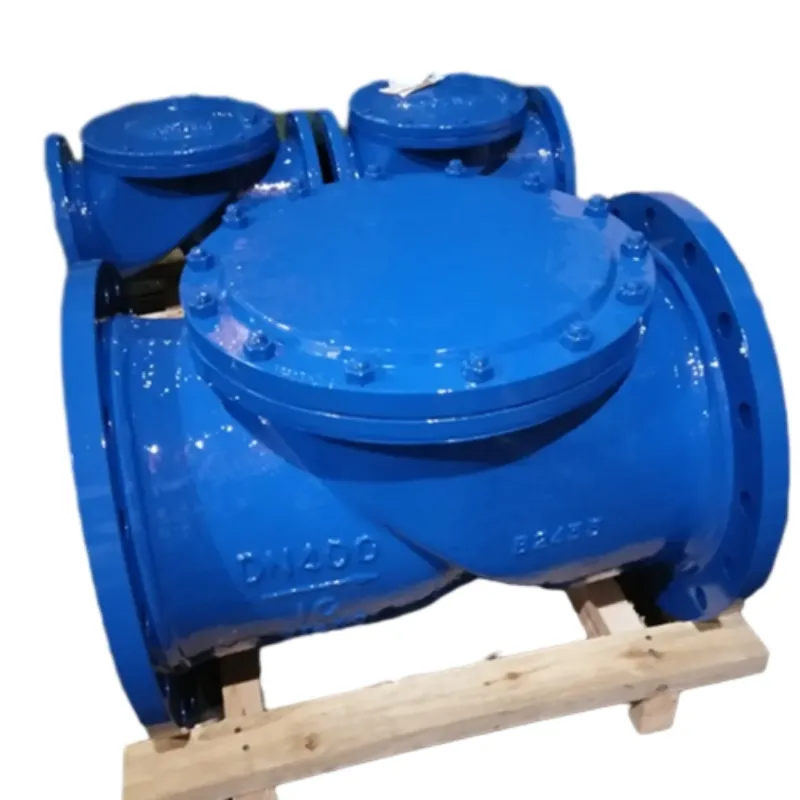
Understanding Backflow Preventers and Check Valves In the world of plumbing and fluid dynamics, ensuring the safe and efficient flow of water is essential. Two crucial components that play a significant role in maintaining this integrity are backflow preventers and check valves. While these devices may appear similar, their functionalities are distinct and critical for various applications. What is a Backflow Preventer? A backflow preventer is a specialized device designed to stop the backward flow of contaminated water into the clean water supply. This device is most commonly used in commercial and industrial settings where the risk of contamination is high. Backflow can occur due to changes in water pressure, which may allow water from dirty sources (like irrigation systems or sewage lines) to siphon back into potable water supplies. Backflow preventers are typically installed at critical points in a plumbing system, such as at the entrance of a building or at specific fixtures that pose contamination risks. They often come in different configurations, including reduced pressure zone (RPZ) assemblies, double check valves, and atmospheric vacuum breakers. Each type serves a unique purpose, with some allowing for maintenance while others offer higher protection levels. The Importance of Backflow Prevention The importance of backflow preventers cannot be overstated. Without these devices, contaminants from non-potable sources could easily infiltrate the drinking water supply. The consequences can be dire, leading to public health crises, violations of health codes, and costly litigation. In fact, many jurisdictions have laws mandating the installation of backflow preventers in certain situations, particularly in commercial operations and areas with high contamination risks. What is a Check Valve? backflow preventer check valve A check valve, often referred to as a one-way valve, is a device that allows fluid to flow in one direction only, preventing backflow within a piping system. These valves are used in various applications, from residential plumbing systems to industrial processes. The design of a check valve is simple, typically consisting of a disk or ball that moves in response to fluid flow, sealing off the reverse flow. The primary function of a check valve is to maintain system pressure and prevent the backflow of fluids, which can lead to system inefficiencies or even damage. They are commonly used in water supply systems, sewage applications, and even in air and gas systems to ensure that the flow direction remains constant. Differences in Functionality While both backflow preventers and check valves serve to stop backflow, their applications and measures of effectiveness differ. Backflow preventers are specifically designed for preventing contamination and are often more complex, featuring multiple components to provide higher levels of protection. Check valves are primarily used for maintaining fluid movement in one direction and may not always offer a complete barrier against contaminants. Choosing the Right Device When it comes to selecting the appropriate device for your system, understanding the specific requirements and risks involved is crucial. For instance, if your application involves potable water and potential contamination from external sources, a backflow preventer is essential. Conversely, if your focus is on maintaining consistent fluid flow without leakage, a check valve may suit your needs better. Conclusion In summary, both backflow preventers and check valves are vital components in the realm of plumbing and fluid management. They ensure the integrity of water systems and protect public health by preventing the unwanted backflow of fluids. By understanding their differences and applications, you can make informed decisions that contribute to a safer, more efficient plumbing system. Whether in residential settings or industrial operations, these devices play a crucial role in safeguarding our water supplies and maintaining operational efficiency.
about
toughened laminated safety glass
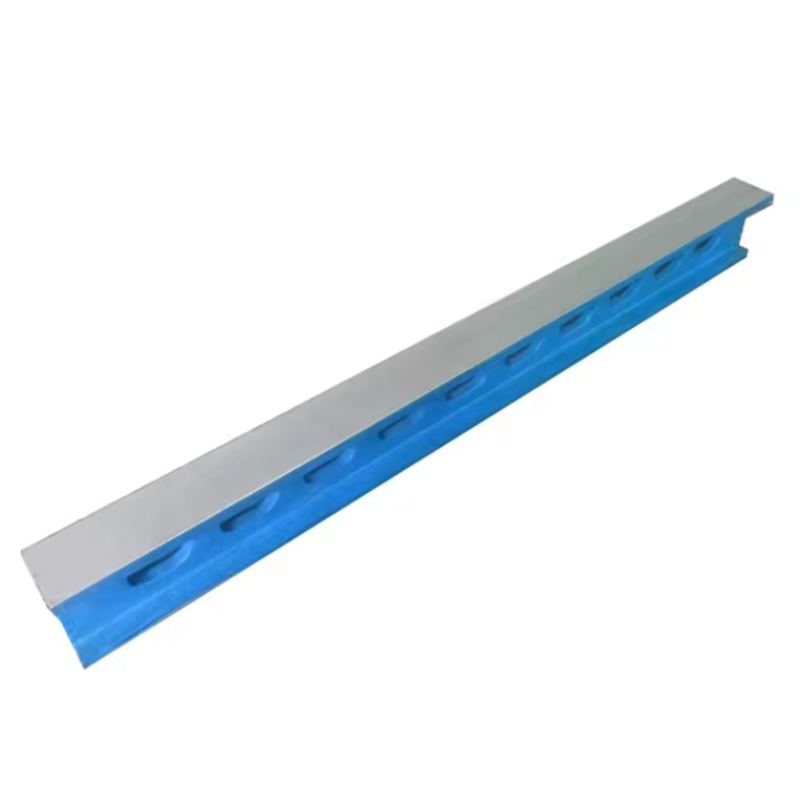
The Metal Angle Ruler A Must-Have Tool for Precision Measurement In the world of design, engineering, and construction, precision is paramount. Among the various tools employed to achieve this accuracy, the metal angle ruler stands out as an indispensable instrument. Often overlooked in favor of more complex devices, the humble metal angle ruler packs a significant punch when it comes to ensuring exact measurements and facilitating intricate work. What is a Metal Angle Ruler? A metal angle ruler is a tool typically made from durable materials like stainless steel or aluminum. It is specifically designed to measure and create angles with precision. The dual-arm structure features a fixed arm and a movable arm, allowing users to adjust to various angles ranging from 0 to 180 degrees. Some models come with etched or printed markings, providing users with instant measurements and enhancing usability. Versatility in Usage The versatility of the metal angle ruler is evident across multiple disciplines. In woodworking, it aids carpenters in making precise cuts and ensuring joints fit perfectly. For metalworkers, this tool assists in layout work and fabricating components with accurate angles, crucial for maintaining structural integrity. In the realm of architecture, the metal angle ruler plays a vital role during the drafting phase. Architects use it to transfer measurements from plans to work surfaces, ensuring that everything is built according to specification. Moreover, its lightweight nature makes it easy to carry around on job sites, enhancing its practicality for professionals who require mobility. Advantages of Metal Angle Rulers One primary advantage of metal angle rulers is their durability. Unlike plastic counterparts, metal rulers can withstand significant wear and tear, making them a wise investment. Their resilient nature means they can endure harsh working conditions without compromising accuracy. metal angle ruler Furthermore, metal angle rulers are less prone to warping, a common issue with wooden or plastic rulers. This dimensional stability is essential for tasks that demand high precision. The substantial material also gives metal rulers a sleek, professional appearance, promoting confidence among users in their capabilities. Another significant upside is their ease of maintenance. Metal can be easily cleaned and does not absorb moisture, crucial in environments like workshops or construction sites where dust and dirt can accumulate. Proper care involves simple wiping with a cloth, ensuring the markings remain clear and legible for improved usability. Techniques for Effective Use To maximize the effectiveness of a metal angle ruler, users should familiarize themselves with proper techniques. When measuring angles, it is important to ensure that the fixed arm aligns perfectly with the baseline. The movable arm can then be adjusted to obtain the desired angle effortlessly. For more complex measurements, combining the angle ruler with a protractor can further enhance accuracy. By using both tools in tandem, users can validate their measurements and achieve exceptional results. This practice is particularly beneficial in creative fields like graphic design, where intricate angles play a crucial role. Conclusion In conclusion, the metal angle ruler is a vital tool across various fields, promoting accuracy and efficiency in measurement. Its robust construction, coupled with versatility and ease of use, make it a preferred choice for professionals and hobbyists alike. Whether you are a carpenter, architect, or metalworker, investing in a high-quality metal angle ruler can significantly impact the precision of your work. As technology continues to evolve, it's easy to overlook traditional tools in favor of sophisticated gadgets. However, the metal angle ruler remains a testament to the effectiveness of simplicity in design. Its essential role in ensuring precision in measurements solidifies its status as a cornerstone tool in the toolkit of any craftsman. So, whether you’re cutting wood, drafting designs, or fabricating metal parts, don't underestimate the power of this unassuming but vital instrument. Embrace the metal angle ruler, and let it guide your work to new heights of precision.
-

High quality industrial productsagement

High quality industrial products
View Details -

Meet the diverse needs of customers

Meet the diverse needs of customers
View Details -

Strict quality control

Strict quality control
View Details -

Top raw materials

Top raw materials
View Details -

Trusted supplier

Trusted supplier
View Details
Our application


news and information

Valvole a farfalla efficienza e utilizzo nei sistemi industriali moderni
La Valvola a Farfalla Un Elemento Chiave nei Sistemi di Controllo dei Fluidi La valvola a farfalla è
Wood Frame Truss Nail Plate Connection Engineering and Installation Essentials
The Significance of Wood Frame Truss Nail Plates in Construction In the realm of construction and e
vibration pad price
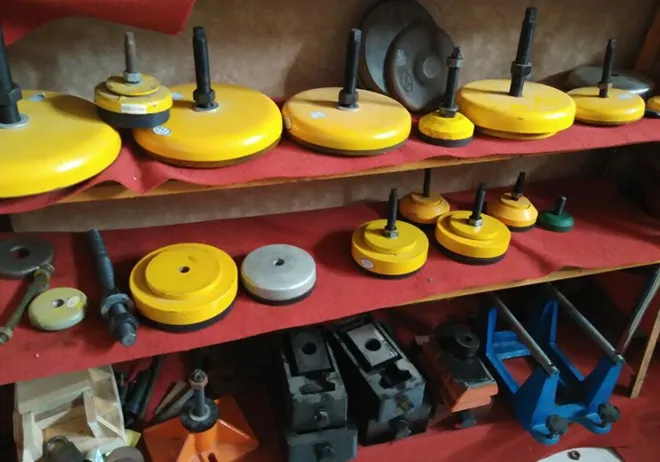
Understanding Vibration Pad Prices A Comprehensive Guide Vibration pads, also known as anti-vibratio
 English